The Duty of Waste Equipment in Supporting Sustainable Waste Disposal Practices
Waste Equipment serves a fundamental duty beforehand lasting garbage disposal techniques. It encompasses an array of tools developed to enhance the efficiency of waste collection, partition, and handling. By making use of Equipment such as compactors, shredders, and reusing bins, communities can considerably reduce their dependence on land fills. The impact of these devices prolongs beyond performance. Understanding their more comprehensive ramifications discloses insights into just how they shape ecological duty and neighborhood engagement. What exists in advance in this progressing landscape?
Recognizing Waste Equipment and Its Significance
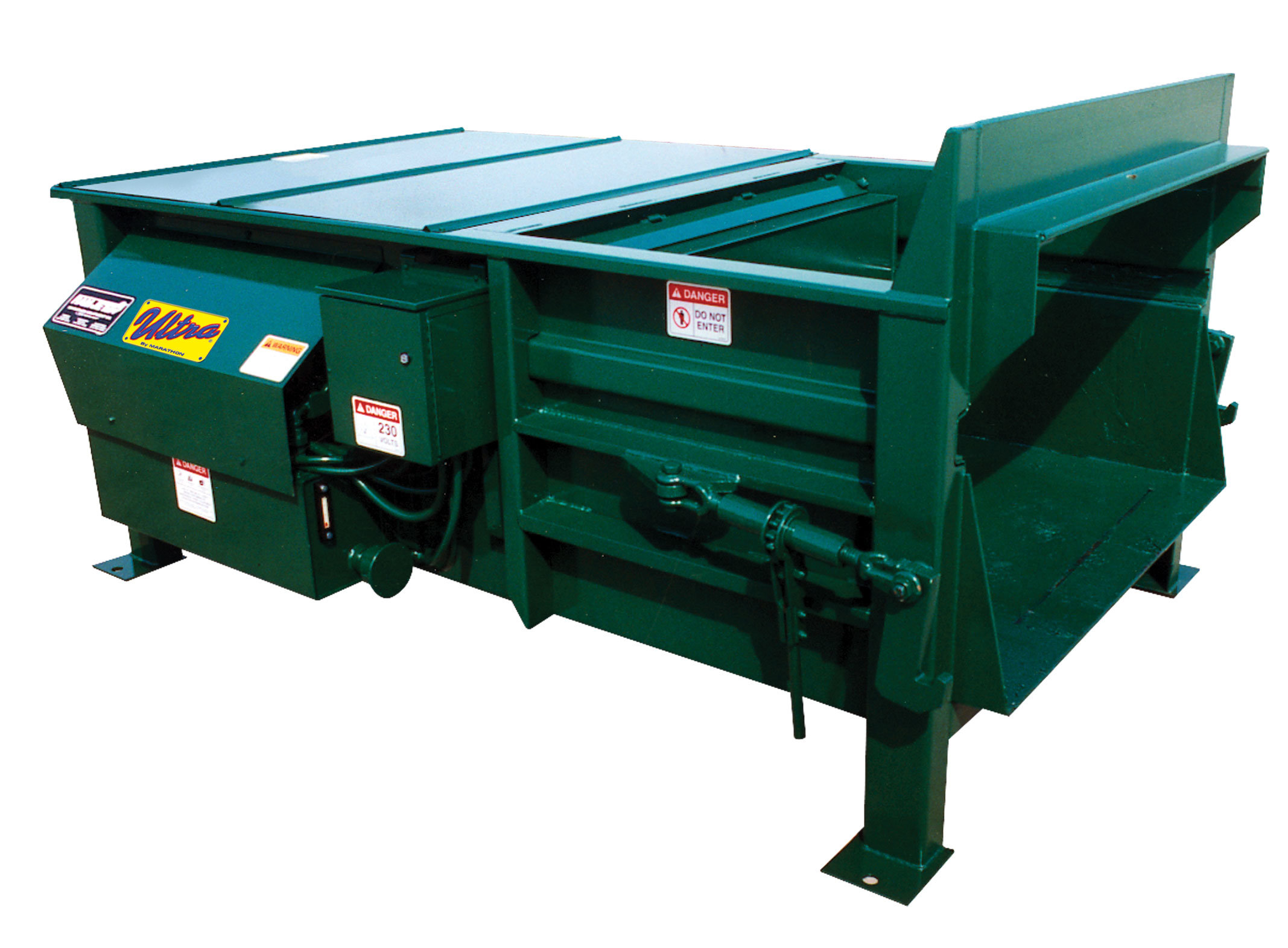
Waste Equipment plays a necessary duty in effective waste management systems. It includes a variety of devices and equipment developed to handle, procedure, and get rid of waste products effectively. Recognizing waste Equipment is essential for companies, districts, and services intending to apply sustainable waste disposal methods - Commercial garbage compaction equipment. Appropriately operating waste Equipment not only simplifies the collection and transportation of waste but also reduces environmental effect by making sure that waste is handled properly
The value of waste Equipment extends to enhancing recycling efforts, decreasing garbage dump usage, and promoting resource recovery. Equipment such as shredders, compactors, and balers facilitate the handling of waste, making it easier to divide recyclable materials from general refuse. In addition, innovations in waste modern technology add to the advancement of more eco pleasant services, thereby enhancing the dedication to sustainability. In general, waste Equipment acts as a cornerstone for efficient waste monitoring, promoting a cleaner and healthier setting for future generations.
Sorts Of Waste Equipment for Effective Waste Administration
Effective waste monitoring counts on different sorts of Equipment made to attend to particular disposal needs. Amongst these, compactors play a crucial function by reducing the volume of waste, making transport a lot more effective. Shredders are vital for damaging down big products, promoting less complicated handling and disposal. In addition, balers press recyclable products right into workable bales, enhancing storage space and transport.
Containers and bins are essential for collecting waste at the source, guaranteeing proper partition and reducing contamination. For harmful materials, specialized Equipment, such as drum crushers and leak-proof containers, is required to guarantee safety and conformity with guidelines.
Transport cars equipped with hydraulic systems enhance the performance of waste collection and disposal processes. Each kind of waste Equipment adds to a streamlined waste administration system, promoting sustainability and lowering environmental impact via reliable disposal methods.
The Duty of Recycling Bins in Lasting Practices
Recycling bins play an important role in advertising sustainable techniques by assisting in efficient waste separation. By giving assigned containers for recyclable materials, they urge people to embrace environmentally friendly actions. This basic application greatly adds to minimizing landfill waste and improving recycling rates.
Efficient Waste Splitting Up
Correct waste separation plays a vital function in advertising sustainable practices, and recycling bins function as a significant tool in this process. By clearly comparing recyclables, compostables, and general waste, these bins promote effective sorting, reducing contamination and making the most of recycling performance. Their critical positioning in public and exclusive spaces encourages individuals to take part in liable waste disposal. Furthermore, using color-coded bins assists to streamline the splitting up procedure, making it intuitive for individuals. This business method not only boosts recycling prices however also elevates awareness concerning the relevance of waste administration. Basically, recycling containers are essential parts that support effective waste splitting up, eventually adding to an extra sustainable setting and lowering the overall strain on garbage dumps.
Encouraging Eco-Friendly Habits
Individuals may be inclined to neglect their impact on the atmosphere, the visibility of recycling bins considerably affects environmentally friendly habits. These containers function as visual tips, encouraging people to different recyclables from general waste. Their strategic positioning in public rooms advertises availability, making it easier for individuals to embrace lasting methods. Researches suggest that when recycling bins are offered, recycling rates boost significantly, reflecting a straight correlation in between infrastructure and actions. On top of that, vibrant signs on these containers educates individuals about what materials can be recycled, minimizing contamination prices. By promoting a culture of recycling, these bins not only assist in correct waste management but also inspire a collective responsibility toward environmental stewardship, inevitably adding to a more lasting future.
Composting Equipments: Transforming Waste Into Resources
Composting systems act as a critical device in changing organic waste into valuable resources, offering many ecological benefits. Various kinds of composting Equipment satisfy various requirements, making the process obtainable to both people and neighborhoods. Recognizing the composting procedure is crucial for optimizing its effectiveness and promoting sustainable waste management practices.
Benefits of Composting Systems
Many communities are significantly recognizing the various benefits of composting systems, which transform organic waste right into valuable resources. These systems effectively minimize landfill waste, consequently lowering greenhouse gas exhausts and preserving natural sources. By converting food scraps, backyard waste, and other organic products right into nutrient-rich compost, they enhance dirt health and fertility, promoting sustainable farming methods. Additionally, composting aids to retain wetness in the soil, minimizing the need for chemical plant foods and watering. It promotes biodiversity by providing an environment for advantageous microorganisms and bugs. In addition, composting informs people about environmental stewardship, urging a culture of sustainability. Generally, composting systems play an important duty in creating a circular economy, where waste is lessened, and sources are reused.
Kinds of Composting Equipment
A selection of composting Equipment is offered to assist in the efficient processing of natural waste right into useful garden compost. These systems range from basic yard compost bins to sophisticated business composters. For home use, tumblers and static bins are preferred, enabling manageable aeration and mixing. Aerated static stacks make use of blowers to boost air movement, significantly accelerating disintegration. Large-scale operations may utilize in-vessel composters, which manage temperature level and moisture for ideal composting conditions. Worm composters, or vermicomposting systems, harness the natural gastrointestinal processes of worms to damage down natural issue. In addition, shredders and chippers assist prepare materials by minimizing dimension, advertising faster breakdown. Each kind of Equipment offers particular requirements, allowing varied composting practices that add to lasting waste management.
Composting Process Explained
The composting procedure transforms organic waste right into nutrient-rich resources through a collection of chemical and organic responses. Microbes such as microorganisms and fungis break down natural materials, including food scraps and lawn waste. This link disintegration creates warmth, helping with further microbial activity and increasing the failure process. As the garden compost grows, the temperature level lowers, enabling useful organisms to thrive. The visibility of oxygen is essential, advertising cardiovascular conditions that enhance microbial performance. Throughout this procedure, carbon-to-nitrogen proportions need to be preserved to optimize decomposition. The end result is humus, a dark, brittle compound abundant in nutrients, which can be used to enhance dirt, support plant growth, and add to sustainable farming practices.
Ingenious Technologies in Waste Collection and Disposal
As cities grapple with raising waste volumes and environmental problems, innovative technologies in waste collection and disposal arise as crucial services. Smart waste bins equipped with sensing units track fill levels, maximizing collection routes and decreasing fuel usage. These bins can also interact with waste monitoring systems, helping with prompt pickups and decreasing overflow concerns. Furthermore, self-governing automobiles, consisting of drones and robotic systems, are being deployed to improve functional performance in waste collection.
Advancements in sorting modern technologies, such as artificial intelligence and device discovering, make it possible for more effective recycling processes by quickly recognizing and dividing materials. Waste-to-energy technologies convert organic waste right into sustainable power, reducing landfill dependence and adding to power sustainability. These innovations not just improve waste monitoring practices however likewise promote a round economic situation, therefore cultivating a lasting technique to lose disposal. Eventually, the combination of these innovations plays a crucial duty in attending to city waste obstacles and enhancing environmental stewardship.
Community Engagement With Waste Equipment
While efficient waste administration counts greatly on sophisticated modern technologies, neighborhood engagement via waste Equipment plays a vital role in cultivating lasting methods (Commercial garbage compaction equipment). Waste Equipment, such as recycling containers and composting stations, serves not just as practical tools yet likewise as drivers for community recognition and involvement. By placing these resources in accessible places, towns urge individuals to take an active function in waste reduction and reusing efforts
Educational projects accompanying waste Equipment installations can further enhance area participation, directing homeowners on appropriate disposal techniques and the benefits of sustainable techniques. Furthermore, local occasions that use waste Equipment, such as clean-up drives and recycling obstacles, inspire cumulative activity and construct a feeling of obligation among community members.

The Future of Waste Administration and Sustainable Solutions
Innovations in modern technology and shifts in social mindsets are shaping the future of waste management and lasting options. Smart waste administration systems, utilizing IoT tools, are making it possible for real-time have a peek at these guys tracking of waste levels, maximizing collection paths, and reducing carbon impacts. These innovations not only enhance efficiency yet likewise promote reusing and composting efforts by offering data-driven understandings.
The surge of circular economy techniques encourages firms to reassess product design, concentrating on reusability and recyclability. This shift cultivates a culture of sustainability, where customers are progressively demanding environment-friendly products.
Furthermore, area involvement in waste management is coming to be significantly important, with academic programs equipping individuals to take obligation for their waste. As federal governments worldwide execute more stringent laws on waste disposal, communities and services are motivated to embrace lasting techniques. With each other, these components lead the way for a future where waste is minimized, and resources are saved, making sure a much healthier earth.
Frequently Asked Questions
How Can Companies Profit Economically From Buying Waste Equipment?
Spending in waste Equipment can lead to substantial financial benefits for services. By improving performance, decreasing disposal prices, and improving reusing capabilities, firms can lower functional expenses and possibly create income via recovered materials.
What Rules Control using Waste Equipment in Various Regions?
Various guidelines govern waste Equipment usage, varying Look At This by region. These consist of environmental requirements, safety procedures, and functional guidelines, focused on ensuring conformity, advertising public health, and decreasing environmental effect connected with waste management methods.
How Do I Select the Right Waste Equipment for My Requirements?
Selecting the suitable waste Equipment demands evaluating particular waste kinds, quantity, and disposal methods. Researching offered alternatives, speaking with experts, and thinking about regulatory conformity will certainly assist in making an educated choice customized to specific needs.
What Are the Ecological Influences of Ineffective Waste Equipment?
Ineffective waste Equipment can bring about raised emissions, higher energy usage, and better land fill overflow. It typically leads to incorrect waste partition, aggravating air pollution and adversely impacting environments, which eventually impedes lasting waste monitoring initiatives.
Just How Can Waste Equipment Be Kept for Optimal Efficiency?
Waste Equipment can be maintained for peak performance through regular inspections, timely repair work, appropriate cleaning, and adherence to producer guidelines. This guarantees efficiency, extends Equipment lifespan, and decreases ecological impact during waste monitoring procedures.
Waste Equipment plays an essential role in effective waste monitoring systems. Recognizing waste Equipment is crucial for organizations, municipalities, and organizations intending to carry out sustainable waste disposal methods. While effective waste management depends heavily on sophisticated technologies, area involvement with waste Equipment plays an essential function in fostering sustainable techniques. Area involvement in waste monitoring is ending up being progressively crucial, with academic programs equipping people to take duty for their waste. Selecting the proper waste Equipment necessitates examining certain waste types, volume, and disposal techniques.